

The ball joint is a crucial component that plays a pivotal role in the smooth and efficient operation of various systems. At its core, a ball joint is a type of rotational joint that allows for a wide range of motion, enabling the connected parts to pivot and rotate freely in multiple directions.
The ball joint typically consists of a spherical ball-shaped element, often made of hardened steel or other durable materials, that fits into a corresponding socket. This socket is usually part of a housing that is securely mounted to the frame or suspension system of a vehicle. The ball joint’s design allows the connected parts to move in a swivel-like fashion, providing the necessary flexibility and range of motion required for various applications.
What do ball joints do?
One of the primary functions of a ball joint is to facilitate the steering and suspension systems of a vehicle. The ball joint connects the steering knuckle, which is responsible for directing the wheels, to the control arms or other suspension components. This pivotal connection allows the wheels to turn smoothly, enabling the driver to navigate through turns and maneuver the vehicle with precision.
Moreover, ball joints play a crucial role in the vehicle’s suspension system, absorbing the impact and vibrations from the road surface and ensuring a comfortable and stable ride for the occupants. As the vehicle navigates through various terrain and encounters obstacles, the ball joints provide the necessary flexibility to allow the suspension components to move independently, effectively dampening the shock and improving the overall handling characteristics of the vehicle.
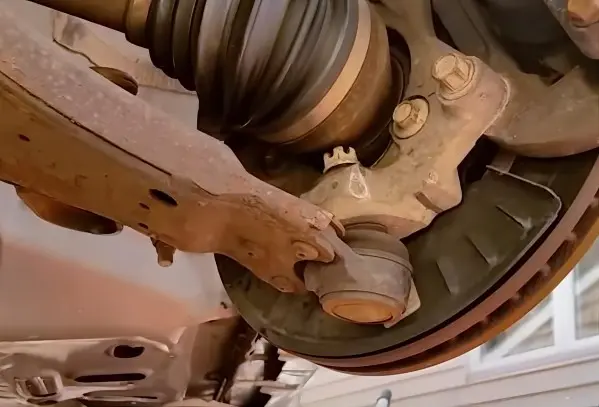

Key parts of a ball joint
Understanding the key parts of automotive ball joints is paramount for anyone involved in the maintenance, repair, or design of vehicles.
BALL STUD: At the heart of the ball joint lies the ball stud, a tapered, spherical component that fits snugly into the socket of the steering knuckle. This ball stud is typically constructed from high-quality steel, ensuring its durability and resistance to wear and tear. Surrounding the ball stud is the bearing, a critical element that facilitates the smooth rotation and pivoting motion of the joint. The bearing is often made from a specialized material, such as bronze or nylon, to minimize friction and maximize the lifespan of the assembly.
HOUSING: Encasing the ball stud and bearing is the ball joint housing, a sturdy and precisely engineered component that provides a secure and stable attachment point for the control arm. This housing is typically constructed from a durable metal alloy, such as cast iron or aluminum, and is designed to withstand the significant forces and stresses exerted upon it during regular driving conditions.
LUBRICATION: Ensuring the proper lubrication of the ball joint is a critical aspect of its maintenance and longevity. Within the housing, a carefully formulated grease is used to reduce friction, prevent wear, and protect the delicate components from the elements.
BOOT: The grease is typically housed within a boot, a flexible and durable rubber or plastic component that seals the joint and prevents the ingress of dirt, moisture, and other contaminants.
URETHANE RING: typically made of a durable and flexible polyurethane material, serves as a bearing surface within the ball joint assembly. Its primary function is to provide a smooth and lubricated interface between the ball stud and the surrounding housing.Moreover, the urethane ring plays a crucial role in sealing the ball joint, preventing the intrusion of contaminants such as dirt, debris, and moisture. This critical sealing function helps to extend the overall lifespan of the ball joint by protecting the internal components from premature wear and tear.
LUBE PLUG: The lube plug serves as a protective barrier, sealing the ball joint’s internal components from the external environment. This seal is essential in preventing the ingress of dirt, debris, and moisture, which can otherwise contaminate the lubricant and accelerate the wearing of the ball joint’s critical surfaces. The lube plug’s design, typically a threaded or press-fit component, ensures a secure and reliable seal, safeguarding the sensitive internal mechanisms from the harsh conditions encountered during everyday vehicle operation.
The proper functioning of ball joints is essential for maintaining the overall safety and performance of a vehicle chassis system. Worn or damaged ball joints can lead to a host of issues, including uneven tire wear, steering instability, and potentially dangerous handling characteristics. As such, it is imperative that vehicle owners and technicians alike remain vigilant in the inspection and maintenance of these vital components, ensuring that they continue to operate at peak efficiency for the lifespan of the vehicle.
Crossing related ball joint as below:


Types of Suspension Ball Joints
Automotive ball joints are crucial components found in various parts of a vehicle’s chassis, including the control arm, tie rod, and stabilizer link. Each type of ball joint has a specific function in providing balance, stability, and responsive handling on the road.
Control arm ball joint
- Control arm ball joints connect the control arm to the chassis, allowing the suspension to move up and down while maintaining proper alignment.
Tie-rod ball joint
- Tie-rod ball joints are essential for the steering system, connecting the steering rack to the steering knuckle to ensure accurate wheel response to steering inputs.
Stabilizer link ball joint
- Stabilizer link ball joints link the stabilizer bar to the suspension, helping to stabilize the vehicle and reduce leaning during turns or on uneven roads, contributing to a safe and stable driving experience.
Upper Ball Joint
- Upper ball joints are specifically designed to support alignment and handle radial loads, such as turning forces. They play a key role in facilitating the proper rotation of the steering knuckle and typically utilize a follower design.
Lower Ball Joint
- On the other hand, lower ball joints serve as pivot points in the steering system and can be either load-carrying or follower types, depending on the suspension setup. Lower ball joints come in various designs, including compression loaded, tension loaded, and follower designs


FAQs you may concern of Ball Joint
1. Symptoms of bad ball joints?
Some common signs of failing ball joints include clunking or knocking noises from the front suspension, uneven tire wear, wandering steering, and a loose or imprecise feel in the steering wheel.
2. How long do ball joints last before needing replacement?
The lifespan of ball joints can vary depending on driving conditions, vehicle usage, and maintenance practices. On average, ball joints can last anywhere from 70,000 to 150,000 miles.
3. How to tell if ball joints are bad while driving?
Symptoms such as a wandering or unstable steering, excessive play in the wheel, or unusual noises emanating from the suspension may indicate worn or damaged ball joints. It is essential to address any suspected issues promptly to ensure the continued safe operation of your vehicle and prevent further damage.
4. How to check for bad ball joints?
To check the ball joints, begin by visually inspecting them for any signs of wear, such as excessive play or damaged boots. Next, use a pry bar to gently lift the wheel and observe any vertical or lateral movement in the ball joint. If significant play is detected, further examination by a qualified mechanic is recommended to determine the necessary course of action, whether it be replacement or repair.
5. Can I drive with a bad ball joint?
It is not recommended to drive with a bad ball joint as it can lead to loss of control, steering issues, and potentially a catastrophic failure. It is important to have faulty ball joints replaced as soon as possible.
6. How much does it cost to replace ball joints?
The cost of replacing ball joints can vary depending on the make and model of the vehicle, the location of the repair shop, and whether you replace just the ball joints or the entire control arm assembly. On average, replacement costs can range from 50 to 200 per ball joint.
Click Crossing Ball Joints for more details


