

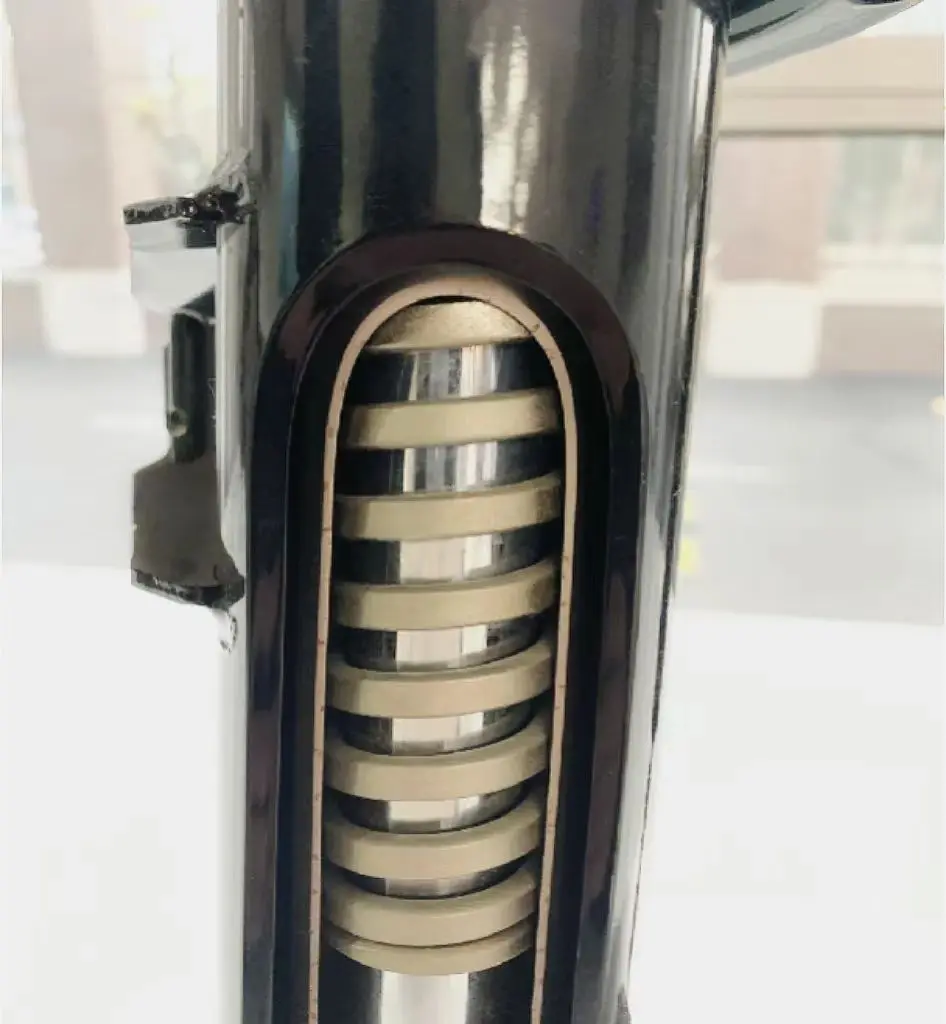
When it comes to ensuring a smooth and safe ride, shock absorbers play a crucial role in your vehicle’s suspension system. Whether you’re driving on a bumpy road or cruising on the highway, the right shock absorber can make all the difference. In this guide, we’ll explore everything you need to know about shock absorbers, from their function to how to choose the best one for your vehicle.
A shock absorber, also known as a Shock Damper, is a mechanical or hydraulic device designed to absorb and dampen the impact and vibrations caused by road irregularities. It works in conjunction with your vehicle’s suspension system to ensure that the tires remain in contact with the road surface, providing stability, control, and comfort riding.
Why Are Shock Absorbers Important?
1. Improved Ride Comfort: Shock absorbers reduce the impact of bumps and potholes, ensuring a smoother ride for you and your passengers.
2. Enhanced Safety: By maintaining tire contact with the road, shock absorbers improve traction, braking, and overall vehicle control.
3. Extended Tire Life: Properly functioning shock absorbers help distribute the vehicle’s weight evenly across the tires, reducing uneven wear and tear.
4. Protection of Other Components: By absorbing road shocks, these components protect other parts of the suspension system from excessive wear and damage.
Types of Shock Absorbers commonly used
Hydraulic Shock Absorbers
Hydraulic shock absorbers are one of the most traditional and widely used types. They operate using a fluid-filled cylinder that dampens the motion of the vehicle’s suspension. When the vehicle moves over a bump, the hydraulic fluid is forced through small orifices within the absorber unit, which slows down the up-and-down motion of the suspension. This design primarily focuses on controlling the rate at which the suspension compresses and rebounds, providing a comfortable driving experience.
However, they can suffer from performance limitations during extreme driving conditions, as the hydraulic fluid can heat up and lose its effectiveness over time, leading to reduced damping performance.
Gas-Charged Shock Absorbers
Gas-charged shock absorbers enhance the basic hydraulic design by adding a gas chamber filled with nitrogen. This design alleviates the issue of cavitation, where vapor bubbles form in the fluid under rapid movements or heavy loads. The pressurized gas helps maintain a consistent damping force and improves performance. Gas-charged shock absorbers are especially popular in performance vehicles because they offer better handling and stability compared to standard hydraulic shock absorbers. They are less prone to fade during prolonged use, making them ideal for varied driving conditions, including sport and off-road scenarios.
Adjustable Shock Absorbers
Adjustable shock absorbers are designed for those who desire a customizable driving experience. These absorbers allow drivers to modify the damping characteristics to suit their preferences or specific driving conditions. There are typically two types of adjustable shock absorbers: those that provide manual adjustment and those equipped with electronic control systems that can adjust in real time based on road conditions. Manual adjustable shocks usually feature a dial or knob that allows the user to switch between different levels of stiffness, ranging from very soft for comfort to very firm for improved handling and performance. On the other hand, electronic adjustable shocks automatically adapt the suspension’s response based on input from various sensors that monitor road conditions and driving style. This adaptability makes them particularly appealing for enthusiasts looking to optimize their vehicle for both daily driving and track performance.
Twin-Tube Shock Absorbers
Twin-tube shock absorbers consist of two concentric tubes: an inner tube and an outer tube. The inner tube contains the piston and hydraulic fluid, while the outer tube serves as a reservoir for the fluid. As the suspension moves, the piston moves up and down within the inner tube, compressing and decompressing the hydraulic fluid to dampen motion. Twin-tube shocks operate well under normal driving conditions and are typically less expensive to manufacture, making them a popular choice for many passenger vehicles.
However, they may not perform as well in extreme situations, such as aggressive cornering or off-road driving, where rapid changes in suspension movement can lead to reduced performance and control.
Mono-Tube Shock Absorbers
Mono-tube shock absorbers, on the other hand, consist of a single tube that houses both the piston and hydraulic fluid. This design usually incorporates a gas chamber at the top, which helps reduce aeration and enhances performance. Mono-tube shocks are known for their superior handling and responsiveness, making them ideal for performance-oriented vehicles. They provide a firmer ride compared to twin-tube shocks and are more effective at managing heat, ensuring consistent performance even under intense driving conditions. While they may not offer the same comfort as twin-tube designs, their benefits in handling make them a favored choice among driving enthusiasts.

How to Choose the Right Shock Absorber
- Consider Your Driving Conditions: If you frequently drive on rough or uneven terrain, you may need heavy-duty shock absorbers. For city driving, standard hydraulic shock absorbers should suffice.
- Vehicle Type and Weight: Heavier vehicles, such as SUVs and trucks, require shock absorbers designed to handle the additional weight.
- Performance Needs: If you’re looking for enhanced handling and performance, consider gas-charged or adjustable shock absorbers.
- Budget: While it’s important to invest in quality, there are shock absorbers available at various price points and different brand. Determine your budget and choose the best option within that range.
- Professional Support: CROSSING AUTO PARTS with professional experience and OE qualification factory support, please you can consult more details with them
Conclusion
Choosing the right shock absorber is essential for maintaining your vehicle’s performance, safety, and comfort. By understanding the different types of shock absorbers and considering your specific driving needs, you can make an informed decision that will enhance your driving experience. Regular maintenance and timely replacement of worn-out shock absorbers will ensure that your vehicle remains in top condition for years to come.
Crossing related products as below:


